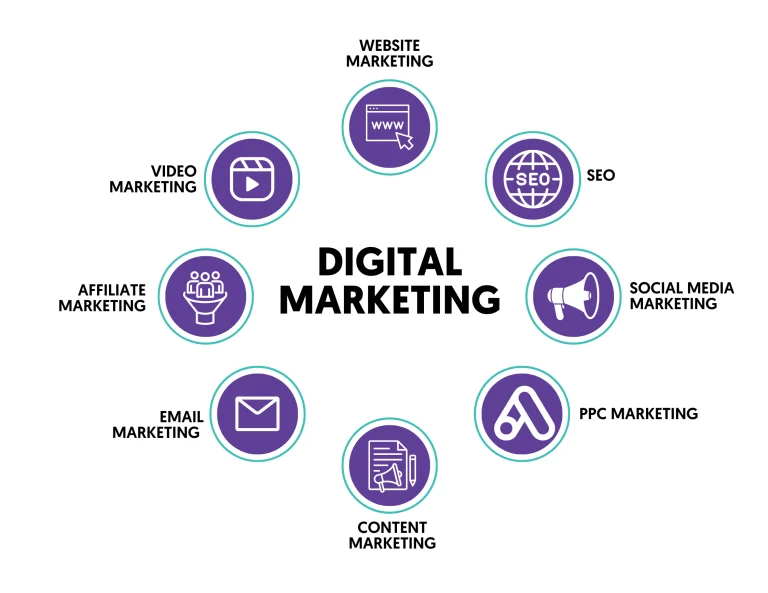
Digital marketing has become an important part of business growth. Companies use online platforms to promote their products, connect with customers, generate leads, and increase sales. As more businesses move towards digital channels, people with practical marketing skills can explore different career and business opportunities.
A Digital Marketing Expert Course in Jodhpur can help students, fresh graduates, working professionals, and business owners understand how online marketing works. By learning SEO, Google Ads, social media marketing, content marketing, and analytics, learners can develop skills to plan and manage digital marketing campaigns.
Why Should You Learn Digital Marketing?
Traditional marketing methods are still useful, but digital platforms allow businesses to reach specific audiences and measure campaign performance more effectively.
Digital marketing helps businesses:
- Reach potential customers through search engines and social media.
- Promote products and services online.
- Generate enquiries and leads.
- Build brand awareness.
- Understand customer behaviour.
- Measure marketing performance through data.
Learning digital marketing can help you understand how businesses use different online channels to achieve their marketing goals.
What Will You Learn in a Digital Marketing Expert Course in Jodhpur?
A comprehensive course should cover the major areas of digital marketing and provide practical opportunities to apply each concept.
1. Search Engine Optimisation (SEO)
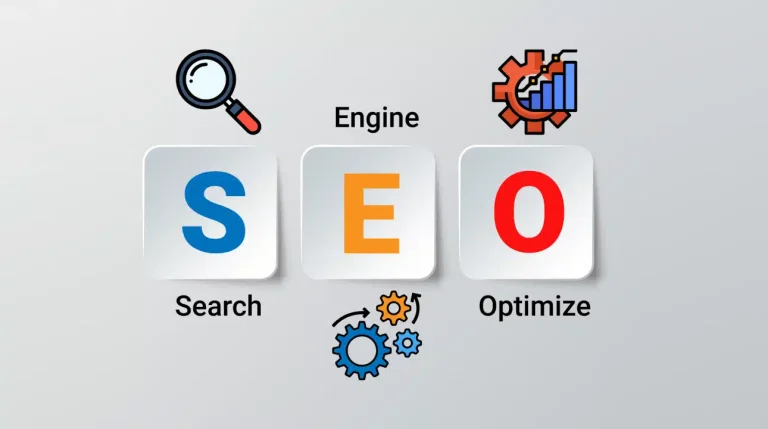
SEO helps websites improve their visibility in organic search results. It focuses on understanding search intent, improving website content, and resolving technical issues.
Students should learn:
- Keyword research and keyword mapping.
- SEO titles and meta descriptions.
- On-page SEO optimisation.
- Technical SEO and website audits.
- Internal linking and content optimisation.
- Off-page SEO and ethical link building.
- Google Search Console and performance analysis.
Practical SEO assignments can help learners understand how to review website pages, identify problems, and recommend improvements.
2. Google Ads and Pay-Per-Click Advertising
Google Ads allows businesses to display paid advertisements when people search for relevant products or services. It can also support display, video, and other advertising campaigns.
A Digital Marketing Expert Course in Jodhpur should explain campaign setup, keyword selection, ad copywriting, bidding strategies, budget planning, and conversion tracking.
Students should also understand important advertising metrics such as impressions, clicks, click-through rate, cost per click, conversions, and cost per lead.
Practical exercises can help learners understand how to plan campaigns and review their performance.
3. Social Media Marketing
Social media platforms help businesses connect with customers, share content, and promote their offerings.
Training should cover platforms such as Facebook, Instagram, LinkedIn, and YouTube. Students should learn profile optimisation, content planning, captions, hashtags, audience engagement, and campaign management.
They should also understand how to create a social media content calendar and select suitable platforms based on the business’s target audience.
4. Meta Ads and Paid Social Campaigns
Meta Ads helps businesses advertise across Facebook and Instagram. It can be used for brand awareness, website traffic, lead generation, and sales campaigns.
Learners should understand campaign objectives, audience targeting, creative selection, budget management, and performance tracking.
A useful training programme should include practical demonstrations of how to create and evaluate advertising campaigns rather than focusing only on definitions.
5. Content Marketing
Content marketing involves creating useful information that attracts and engages a target audience. It includes blog posts, website pages, social media content, videos, and other digital formats.
Students should learn content research, topic selection, content planning, headline writing, and basic SEO content optimisation.
They should also understand how to create content that answers customer questions and supports business objectives.
6. Email Marketing
Email marketing helps businesses communicate with subscribers, share updates, promote offers, and build customer relationships.
A course should introduce email campaign planning, audience segmentation, subject lines, email content, and performance measurement.
Learners should also understand the importance of permission-based communication and following applicable email marketing requirements.
7. Website Analytics and Reporting
Digital marketing campaigns should be evaluated using relevant performance data. Analytics helps marketers understand where visitors come from and how they interact with a website.
Students should become familiar with Google Analytics and Google Search Console. They should learn how to review traffic, engagement, search performance, and available conversion data.
Reporting skills are also important because marketers need to explain campaign results and recommend future improvements.
Learn Professional Digital Marketing Tools
Professional tools help marketers research opportunities, manage campaigns, and analyse results.
Some useful tools covered in digital marketing training may include:
- Google Analytics: Analyse website traffic and user engagement.
- Google Search Console: Monitor organic search performance and indexing information.
- Google Ads: Create and manage paid search campaigns.
- SEMrush: Research keywords and analyse competitors.
- Meta Business Suite: Manage Facebook and Instagram activities.
- Canva: Create social media graphics and marketing designs.
- Mailchimp: Learn email campaign management and reporting.
Students should learn how to use these tools for practical marketing tasks and understand how their data supports better decisions.
Why Practical Digital Marketing Projects Matter
Practical training helps learners understand how different marketing channels work together. When choosing a Digital Marketing Expert Course in Jodhpur, check whether the programme includes real-world exercises and assignments.
Useful projects may include:
- Preparing an SEO strategy for a business website.
- Researching keywords for service and product pages.
- Creating a Google Ads campaign plan.
- Designing a social media content calendar.
- Preparing sample Facebook and Instagram advertisements.
- Writing SEO-friendly blog content.
- Analysing website traffic and preparing a marketing report.
These projects can help students develop a portfolio and gain confidence in handling digital marketing tasks.
Career Opportunities After Digital Marketing Training
Digital marketing offers different career paths depending on a person’s interests, skills, and experience.
After completing a Digital Marketing Expert Course in Jodhpur, learners can explore roles such as:
Digital Marketing Executive: Assist with SEO, social media, content, and online advertising activities.
SEO Executive: Work on keyword research, website optimisation, audits, and organic search performance.
Google Ads Specialist: Help businesses plan, manage, and optimise paid advertising campaigns.
Social Media Manager: Manage business profiles, content calendars, and audience engagement.
Content Marketing Executive: Research and develop content for websites, blogs, and digital platforms.
PPC Executive: Manage paid advertising campaigns and monitor campaign performance.
Freelance Digital Marketer: Provide digital marketing services to businesses and individual clients.
The right career path depends on practical knowledge, communication skills, analytical ability, and the experience gained through projects.
Who Should Join This Course?
A digital marketing course can be useful for different types of learners.
- Students who want to develop professional marketing skills.
- Fresh graduates looking for digital marketing career opportunities.
- Working professionals who want to expand their knowledge.
- Business owners interested in promoting their products and services.
- Freelancers who want to offer online marketing services.
- Traditional marketers planning to learn digital channels.
Beginners do not necessarily need previous marketing experience to start learning. Regular practice and an interest in online platforms can make the learning process easier.
How to Choose the Right Digital Marketing Training Institute
Before enrolling, compare the syllabus, teaching approach, practical assignments, and support offered by the institute.
Course syllabus: Check whether SEO, Google Ads, social media marketing, Meta Ads, content marketing, and analytics are included.
Practical training: Ask whether students work on website audits, advertising exercises, content planning, and reporting.
Trainer experience: Look for trainers who can explain concepts clearly and demonstrate practical marketing tasks.
Tool knowledge: Confirm that the course includes commonly used digital marketing tools.
Doubt-solving support: Understand how learners can ask questions and receive guidance during training.
Placement assistance: If your goal is employment, ask whether the institute offers interview preparation, CV guidance, or job referrals. Confirm the details instead of assuming that a course guarantees a job.
Course duration and fees: Compare the schedule, learning format, duration, and total cost before making your decision.
Tips to Build a Successful Digital Marketing Career
Completing a course is only the first step. Developing strong skills requires regular practice and continuous learning.
Start by selecting a marketing area that interests you, such as SEO, paid advertising, or social media management. Practise the relevant tasks and maintain records of your work.
Learn to analyse campaign data instead of focusing only on clicks or followers. Understand whether marketing activities are helping businesses achieve meaningful goals, such as qualified leads, enquiries, and sales.
Keep learning about platform updates, advertising policies, search engine changes, and new marketing tools. Practical experience will help you become more confident and improve your ability to solve marketing problems.
Conclusion
A Digital Marketing Expert Course in Jodhpur can help you develop skills in SEO, Google Ads, social media marketing, content creation, and analytics. These skills can support career development, freelance opportunities, and business promotion.
Choose a course that combines structured lessons with practical projects and professional tool training. With consistent practice and a clear learning approach, you can build a strong foundation in digital marketing and prepare for opportunities in the growing online marketing industry.