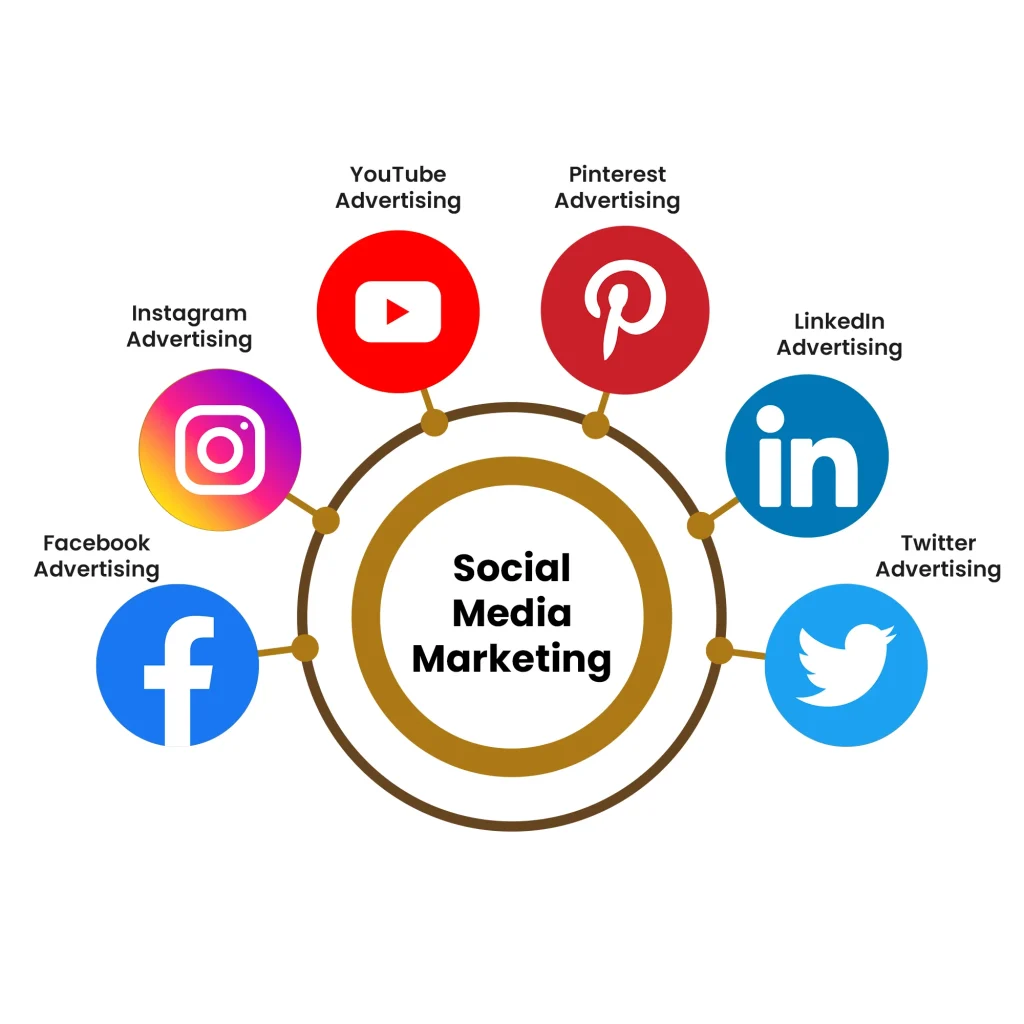
Social media has become an important part of how businesses connect with customers, promote products, and build brand awareness. Platforms such as Instagram, Facebook, LinkedIn, and YouTube give businesses different ways to reach their target audiences. However, getting good results requires more than posting images or writing captions. Businesses need a clear strategy, engaging content, and regular performance analysis.
A Social Media Marketing Course in Udaipur can help students, business owners, freelancers, and working professionals understand how social media marketing works. With the right training and regular practice, learners can develop skills that are useful for digital marketing jobs, freelance projects, and business promotion.
Why Is Social Media Marketing Important?
Social media allows businesses to communicate directly with their audiences. It can help a local shop introduce new products, a service provider attract enquiries, or an established company maintain relationships with customers.
A well-planned social media strategy focuses on reaching the right people with relevant content. It also helps businesses understand which posts receive attention and what encourages users to take action.
Learning social media marketing can help you understand how to plan campaigns, create content, manage business profiles, and measure performance instead of publishing posts without a clear objective.
What Will You Learn in a Social Media Marketing Course in Udaipur?
Before enrolling in a Social Media Marketing Course in Udaipur, check whether the syllabus covers the following important areas.
1. Social Media Marketing Fundamentals
The first step is understanding the purpose of different social media platforms and how businesses use them.
Students should learn how to identify target audiences, set marketing objectives, choose suitable platforms, and develop a consistent brand voice. For example, a fashion business may focus on visual content on Instagram, while a B2B company may use LinkedIn to reach professionals.
Understanding these differences helps marketers choose platforms according to business goals rather than trying to publish identical content everywhere.
2. Content Planning and Creation
Content is one of the most important parts of social media marketing. Businesses need posts that inform, entertain, educate, or encourage customers to take action.
A training course should cover content calendars, post ideas, captions, hashtags, creative formats, and calls to action. Students should also learn how to plan content around product launches, seasonal offers, customer questions, and important business updates.
Practical exercises can help learners prepare a weekly content calendar and create posts for different types of businesses.
3. Instagram Marketing
Instagram is useful for businesses that want to showcase products, services, and their brand personality through visual content.
Students should understand how to create Reels, Stories, carousel posts, and informative captions. They should also learn profile optimisation, audience engagement, content consistency, and basic performance analysis.
A practical assignment could involve preparing an Instagram strategy for a local restaurant, clothing store, hotel, or beauty salon in Udaipur.
4. Facebook Marketing
Facebook can help businesses build communities, share updates, promote offers, and communicate with customers.
Learners should understand Facebook Page management, content publishing, audience interaction, and the use of Meta Business Suite for managing social media activities. They should also learn how to review post performance and identify content that attracts meaningful engagement.
These skills can be useful for businesses that want to maintain an active social media presence and build stronger customer relationships.
5. Paid Social Media Advertising
Organic posts can help businesses build visibility, while paid campaigns can support specific objectives such as website visits, lead generation, sales, and brand awareness.
A Social Media Marketing Course in Udaipur should explain the basics of Meta Ads, including campaign objectives, audience targeting, budget planning, ad creatives, and performance measurement.
Students should also understand important advertising metrics, such as cost per click, click-through rate, cost per lead, and return on ad spend. Practical training should explain how to review campaign data and make improvements based on results.
6. Social Media Analytics and Reporting
Publishing content is only one part of the process. Marketers also need to evaluate whether their activities are achieving the intended goals.
Students should learn to review reach, impressions, engagement, follower growth, link clicks, and conversions where tracking is available. They should understand how to prepare simple reports that explain what worked, what needs improvement, and what actions should be taken next.
This analytical approach helps marketers make better decisions and explain campaign performance to clients or managers.
Practical Projects That Improve Your Skills
Practical assignments can help learners apply their knowledge to realistic business situations. When comparing a Social Media Marketing Course in Udaipur, look for opportunities to work on projects rather than relying entirely on classroom explanations.
Useful projects may include:
- Creating a social media strategy for a local business.
- Preparing a seven-day or thirty-day content calendar.
- Writing captions for different target audiences.
- Designing Instagram posts and carousel content.
- Planning a basic Facebook or Instagram advertising campaign.
- Reviewing engagement data and preparing a performance report.
- Suggesting improvements for an existing business profile.
These activities can help students develop examples of their work for a portfolio. They also provide useful practice in planning, creativity, communication, and reporting.
Career Opportunities After Social Media Marketing Training
Social media marketing skills can support several entry-level and specialised roles. The opportunities available will depend on your practical skills, experience, and ability to demonstrate results.
Possible career paths include:
Social Media Executive: Manage social media profiles, publish content, and respond to audience interactions.
Social Media Manager: Plan content strategies, coordinate campaigns, and monitor overall performance.
Content Creator: Develop social media posts, short videos, captions, and other digital content.
Social Media Ads Executive: Help set up, monitor, and optimise paid campaigns.
Digital Marketing Executive: Work across social media and other online marketing activities.
Freelance Social Media Marketer: Provide content planning, profile management, or campaign support to clients.
Some learners may also use these skills to promote their own businesses or support a family business.
Who Should Join This Course?
A Social Media Marketing Course in Udaipur may be suitable for students who want to enter digital marketing, fresh graduates looking for practical skills, business owners who want to improve online promotion, and working professionals planning to expand their knowledge.
Freelancers can also benefit from learning how to create content calendars, manage business profiles, and prepare reports for clients.
Previous marketing experience is not always necessary for beginner-level training. However, regular practice and an interest in online communication can make learning easier.
How to Choose the Right Training Institute
Before joining a course, compare the syllabus, teaching method, practical assignments, trainer experience, and support available to learners.
Look for an institute that explains current social media practices and provides opportunities to work on realistic tasks. Ask whether students will practise content creation, advertising fundamentals, analytics, and reporting.
You should also check the course duration, class timings, fees, and whether the training is available online or in person. If you are looking for employment, ask about interview preparation and placement assistance, and clarify exactly what support is included.
Choose a course based on the skills you will develop rather than relying only on promotional claims.
Conclusion
Social media marketing offers useful opportunities for businesses and people who want to develop digital marketing skills. Learning content planning, Instagram and Facebook marketing, paid advertising, and analytics can help you understand how to build and manage effective campaigns.
A Social Media Marketing Course in Udaipur can provide a starting point for developing these skills through structured learning and practical assignments. With consistent practice, creative thinking, and a focus on measurable results, you can prepare for social media roles, freelance work, or promoting your own business.